
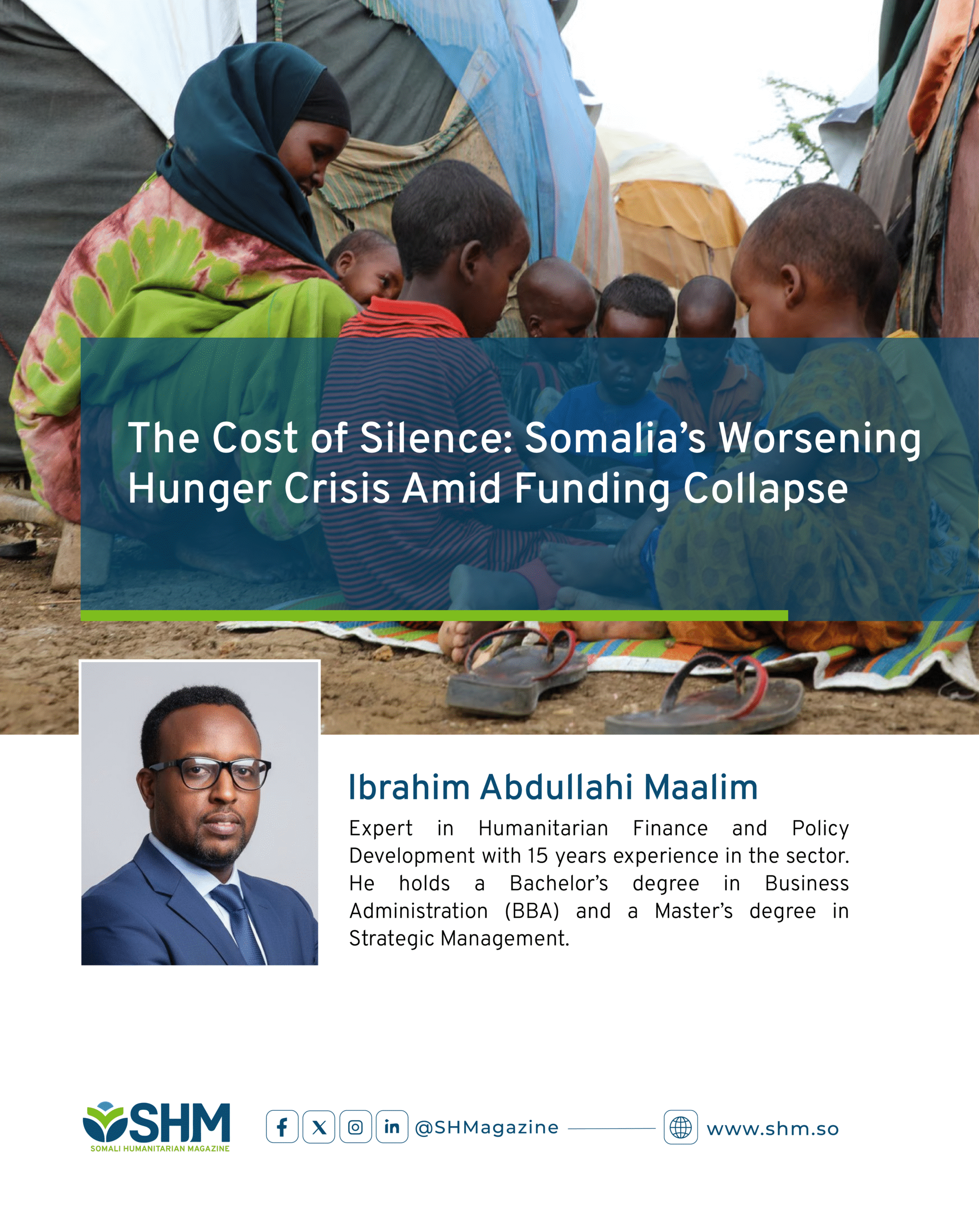
By: Ibrahim Abdullahi Maalim – Financial & Policy Analyst
Overview
Somalia approaches yet another humanitarian catastrophe as one of the most severe hunger crises continues to escalate. This is greatly compounded by a lack of funding, persistent drought, ongoing conflict, and high inflation of food prices. According to the United Nations for the Coordination of Humanitarian Affairs (OCHA) Somalia is expected to reach a staggering 4.6 million people facing high levels of food insecurity by mid 2025, and 1.8 million children under the age of 5 are severely stunted, having increased by 100,000 since the beginning of the year.
Compounding the issue is the drastic decrease in humanitarian assistance. On the 26th of May 2025, the OCHA published Somalia’s 2025 Humanitarian Needs and Response Plan, which fully removed the 1.4 billion dollar funding allocation, leaving the plan with a mere 367 million dollar budget, a 74% cut. This resulted in aid agencies having to scale down to providing assistance to just 1.3 million people as opposed to the 4.6 million previously in the plan.
The Confluence of Crisis
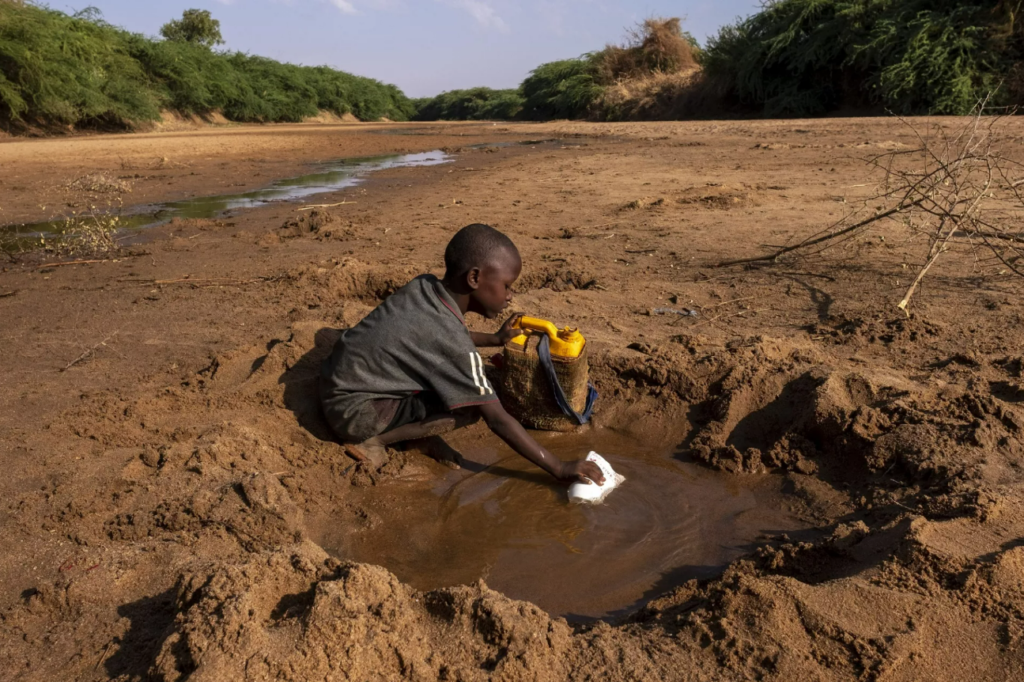
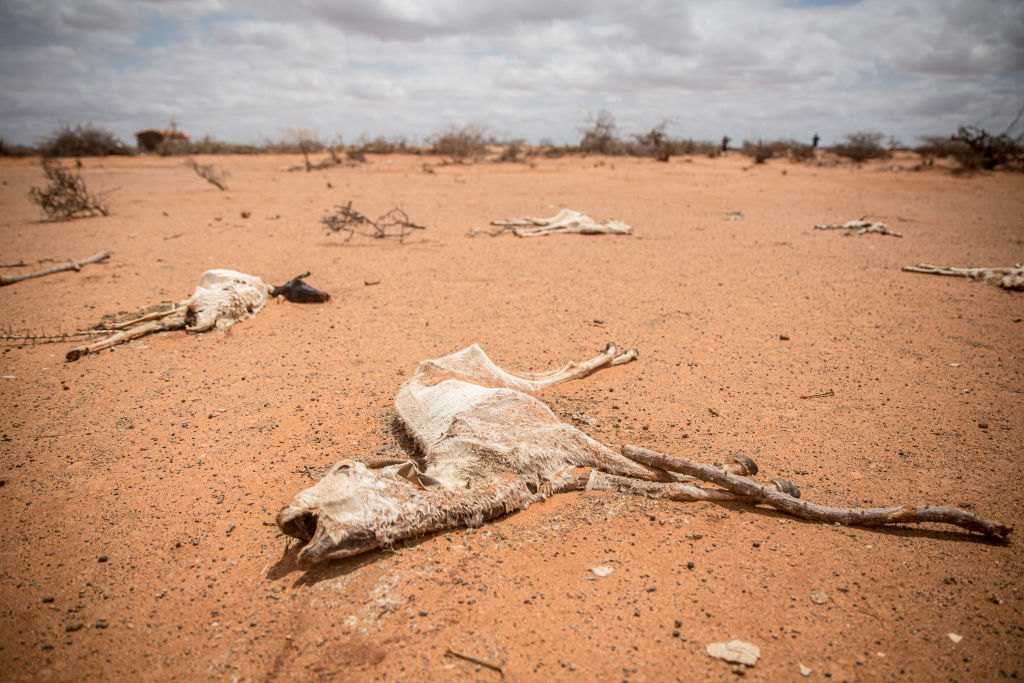
Somalia’s hunger emergency is one of the world’s worst food insecurity crises. It is the amalgamation of several factors: fuel and food inflation, persistent drought, conflict, lack of humanitarian aid, chronic food insecurity and lack of infrastructure. OCHA highlights the persistent drought as one of the key impact factors where the people of Somalia experience economic and social deprivation.
A perfect storm of crisis
Somalia’s hunger emergency is the result of a lethal mix of factors: climate-driven disasters, chronic insecurity and economic instability. Years of drought, erratic rainfall and flash floods have destroyed livelihoods and displaced hundreds of thousands. With the added burden of conflict and global food price spikes, families are being pushed to the breaking point.
“In many areas, the situation has become a race against time,” said an aid worker in Mogadishu. “We’re seeing children arrive at clinics weighing half of what they should. Mothers skip meals for days to feed their children once.”
Global funding cuts and their consequences
The funding crisis is being felt acutely across Somalia. Major donors—including the United States—have frozen parts of their foreign aid budgets, affecting USAID programs and forcing the closure or scaling down of life-saving services like food distribution, health care, and clean water access.
“This is not just a funding issue; this is a matter of life and death,” said a humanitarian worker. “We’re being forced to choose who gets help and who doesn’t.”
The lack of funding has left treatment centers overcrowded and under-resourced. Healthcare workers report turning away severely malnourished children due to shortages in medicine, staff, and space. “Every child we can’t treat is at risk of dying,” said a pediatric nurse in Baidoa.
A generation at risk
The physical and mental toll on Somalia’s children is especially shocking. At these levels of malnutrition, the presence of disease and death is nearly certain. Due to the lack of fragile and underfunded healthcare systems, survival is out of reach for these children without immediate intervention on a global scale.
Urgent call for global solidarity
With Somalia’s leaders, humanitarian agencies are urgently pleading international sponsors to step in before the problem escalates. Due to the recent lack of funding, experts suggest that the potential famine is likely to turn into a complete famine repeating the 2011 famine that killed over 250,000 people.
A UN official stated, “This crisis is part of a disturbing global trend. As wealthier nations withdraw their support during a time of unprecedented need, the vulnerable and the needy are suffering the most.”
Somalia is at risk of falling through the cracks while the world focus is pulled in many directions. Without renewed funding, the need for global aid means the lives of millions, especially children, are at stake.
Conclusion
As Somalia grapples with a deadly combination of conflict, climate-related disasters and economic instability, humanitarian funding remains an essential lifeline that must not be overlooked. We need to urgently appeals to donors to fulfill their commitments and increase support to avert further suffering and avoid preventable loss of life.
Key figures:
4.6 million Somalis projected to face severe hunger by June 2025, 1.8 million children under five now severely malnourished, 74% funding cut to Somalia’s 2025 humanitarian response plan
Only 1.3 million people can now be reached—down from an original target of 4.6 million <30% of required humanitarian funding received