
By Abdirizak Osman Abdullahi, LLM In International Law (IIUM).
Summary: Somalia’s protracted conflict has exposed critical gaps in the legal frameworks meant to protect civilians. Despite a patchwork of domestic laws and international treaties, enforcement remains weak. Civilians bear the brunt of indiscriminate violence, displacement, and rights abuses. This feature examines Somalia’s humanitarian and legal landscape, from its constitution and policies to its alignment with international humanitarian law, and offers recommendations to strengthen civilian protection in war-torn times.
Why Legal Frameworks Matter
In armed conflicts, laws can mean the difference between life and death for civilians. Legal frameworks, both national and international, establish rules to limit the harm of war and ensure humanitarian aid reaches those in need. In Somalia, prolonged civil conflict and instability have highlighted the significance of these safeguards. Civilians in Somalia frequently lack the protection of effective law. When legislative protections are only theoretical or inadequately enforced, citizens suffer the consequences through lost lives, fractured communities, and intergenerational trauma. Establishing and executing stringent humanitarian standards is not merely a legal formality; it is a humanitarian necessity that preserves dignity and hope in times of conflict.
“Ultimately, civilians are paying the price for failure to resolve Somalia’s conflicts through political means… And parties to the conflict are simply not doing enough to shield civilians from the violence. This is shameful.” – Michael Keating, UN Special Representative for Somalia
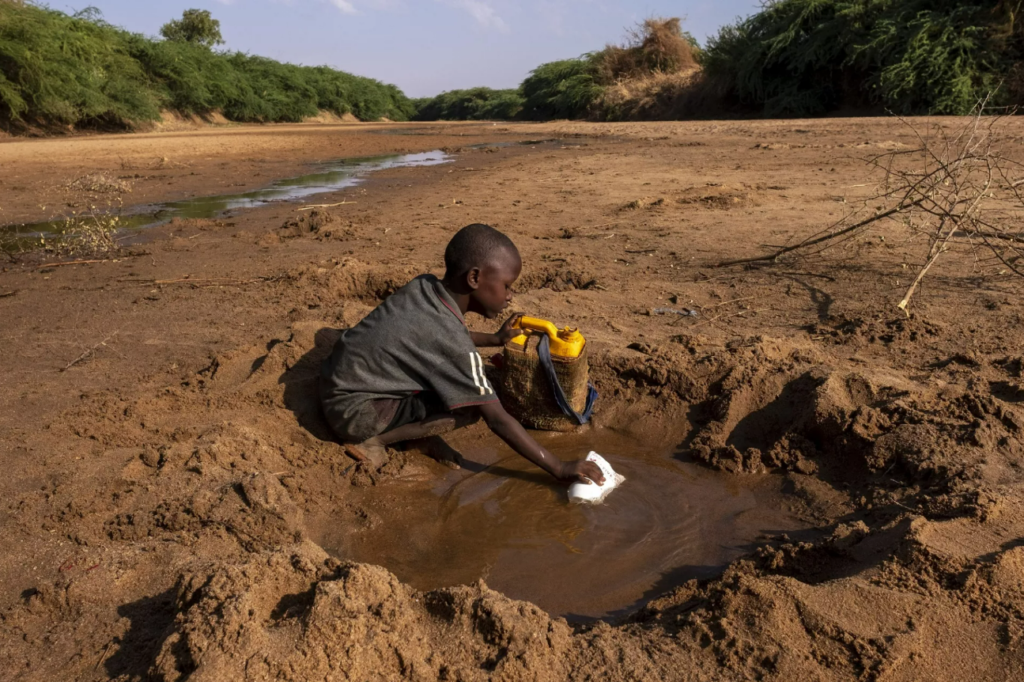
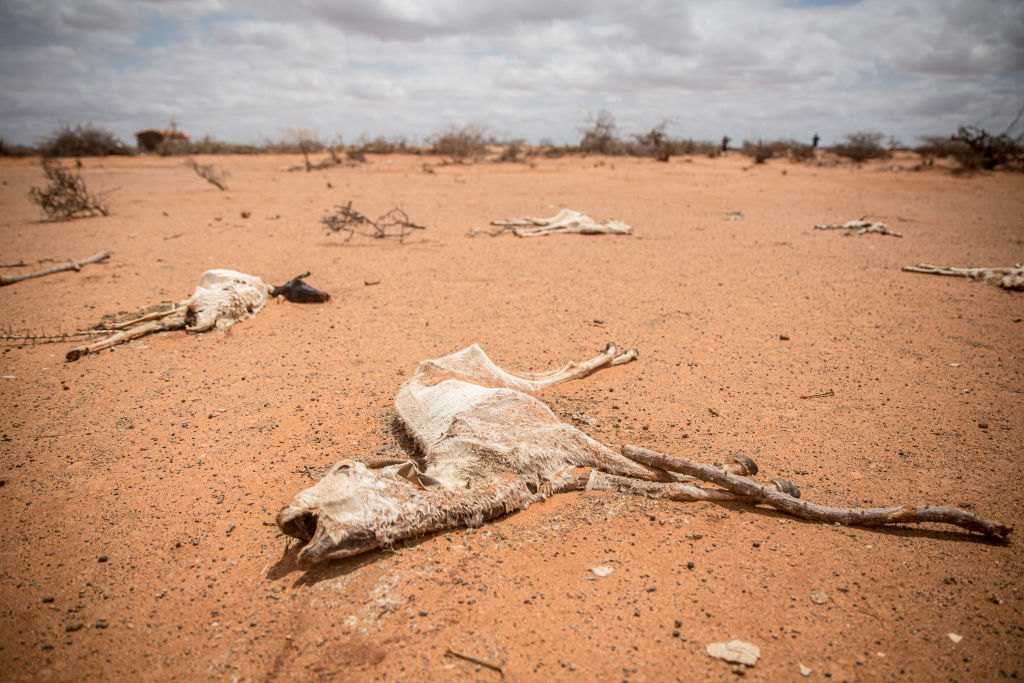
The humanitarian situation in Somalia is highly complicated, characterized by ongoing armed conflict, climate calamities, and extensive displacement.
In 2023, intensified confrontations in central and southern Somalia, along with political unrest in the north, compelled roughly 650,000 individuals to abandon their residences. In 2023, the UN documented more than 1,400 civilian casualties in Somalia resulting from conflict-related violence, a stark indication of ongoing suffering.
Indiscriminate and Targeted Attacks: Non-state armed groups’ use of indiscriminate methods of warfare in populated areas, including explosive devices and indirect fire, and mortar attacks with no regard for civilian life, flagrantly violate the principle of distinction and proportionality. A past mass-casualty incident in the capital resulted in the loss of hundreds of civilian lives and was widely condemned by the UN as a serious violation of the laws of war.
Somalia’s experience offers a stark lesson in why legal frameworks matter. The country has seen millions displaced and thousands of civilians killed or injured in its conflict, despite an array of nominal protections. This article will explore how gaps in Somalia’s laws and their implementation have left civilians vulnerable, and what can be done to better protect the Somali people under the law.
Domestic Legal Frameworks: Promises and Limitations
The domestic legal framework of Somalia comprises a combination of formal statutes, policies, and the Provisional Federal Constitution (2012). The Provisional Constitution of Somalia ostensibly safeguards fundamental human rights, encompassing the right to life, individual liberty, and personal security, while also reaffirming the nation’s adherence to international law and humanitarian principles. The constitution stipulates that “the state shall fulfil its obligations under international agreements” (Federal Republic of Somalia, 2012, Art. 140), thereby implying adherence to treaties such as the Geneva Conventions.
The Constitution incorporates Islamic law (Sharia) as a foundational principle, and customary law is extensively employed within communities for conflict resolution. Despite the commendable principles enshrined in the constitution, they have not been realized through the establishment of strong legal safeguards or institutions designed to protect civilians during periods of conflict.
Somalia became the 30th African Union member to ratify the African Union Convention for the Protection and Assistance of Internally Displaced Persons in Africa (the Kampala Convention) in November 2019. Under this historic treaty, the government is required to protect internally displaced people, prevent displacement, and promote long-term solutions. To domesticate these responsibilities into Somali legislation, Somalia drafted a comprehensive Internally Displaced Persons (IDP) Bill after ratification (Global Protection Cluster, 2022). The Cabinet approved the draft IDP Act in 2021 after it was subjected to lengthy deliberations.
Alignment with International Humanitarian Law: Commitments vs. Reality
International humanitarian law (IHL), particularly the Geneva Conventions and their Additional Protocols, provides the universal legal standards to protect civilians in war. How does Somalia compare to these standards? The answer is mixed: Somalia is a party to the core treaties, but implementation and enforcement of IHL are severely lacking in its conflict.
Somalia was one of the first African states to ratify the Geneva Conventions of 1949, acceding to them in 1962 shortly after independence. These four conventions form the bedrock of IHL, requiring the humane treatment of civilians, the wounded, and prisoners, and obligating warring parties to distinguish between civilians and combatants. In theory, this early ratification signaled Somalia’s commitment to the laws of war. However, Somalia has not ratified the two Additional Protocols of 1977, which further detail protections in international (Protocol I) and non-international (Protocol II) armed conflicts. Notably, Protocol II is directly relevant to internal conflict, as it elaborates safeguards for civilians in civil wars. The absence of these ratifications means certain advanced IHL provisions are not binding treaty law for Somalia, though many of their rules (like the prohibition on targeting civilians) are considered customary IHL and still apply de facto.
“These have been violent and painful periods in the country’s history… These are also times when respect for the Geneva Conventions and the law of armed conflict matters most.” Antoine Grand, Head of ICRC Somalia Delegation
Notwithstanding the absence of ratification of Protocol II, the core principles of International Humanitarian Law remain applicable to all involved parties in the Somali conflict. Article 3 of the Geneva Conventions, which pertains to non-international armed conflicts, specifically proscribes violence against civilians, summary executions, torture, and inhumane treatment. Customary international humanitarian law (IHL) norms, established through state practice, serve to fortify principles such as distinction (prohibiting intentional targeting of civilians), proportionality (precluding excessive civilian damage in any attack), and precautions (mandating all feasible measures to protect civilians). All armed actors within Somalia are required to adhere to these regulations. In actuality, however, infractions of International Humanitarian Law are prevalent, and accountability is exceedingly limited.
Regarding treaties, Somali authorities have expressed their intention to ratify Additional Protocols I and II, thereby formalizing their adherence to elevated protection standards. Furthermore, they have acceded to pertinent international agreements, including the Convention on Certain Conventional Weapons (CCW) in 2015 and the Mine Ban Treaty (Ottawa Convention) in 2012 (Somalia acceded as the 160th state party, thereby prohibiting anti-personnel landmines). These measures demonstrate Somalia’s stated commitment to adhering to international standards.
These steps indicate Somalia’s official alignment with global norms on warfare. But on the ground, treaty ratifications have not translated into changed behavior. No comprehensive training or enforcement mechanisms exist to ensure combatants obey IHL. Many advanced prohibitions (like bans on starvation as a weapon in internal war) are not explicitly codified in Somali law. The gap between Somalia’s treaty status and battlefield practice is wide. Toward Stronger Protection:
Recommendations
To close these gaps, Somali authorities (with international support) should urgently strengthen the humanitarian legal framework. Key measures include:
- Fully enact and implement humanitarian laws: Ratify the Geneva Additional Protocols I and II to solidify civilian safeguards in treaty law.
- Train and discipline security forces: Integrate international humanitarian law into the training of the Somali National Army, police, and allied militias. Issue clear rules of engagement requiring discrimination, proportionality, and the protection of noncombatants. Establish military justice reforms so that legitimate combatants (e.g., surrendered fighters) are tried fairly or detained humanely, not executed summarily.
- Support victims and resilience: Expand assistance to civilians harmed in conflict, including trauma counseling, medical care, and community rebuilding. Engage civil society and local elders in promoting peaceful conflict resolution and disseminating knowledge of rights.
Conclusion:
Somalia’s journey toward peace and stability is intimately tied to how it treats its most vulnerable in times of war. Today, the country stands at a crossroads. The resilience of the Somali people evident in the face of unimaginable hardships is a powerful argument for a future where civilians no longer need to fear the next bullet, bomb, or forced eviction. Achieving that future depends on closing the legal and policy gaps that have left civilians exposed. It means moving from words to action: converting international conventions and constitutional promises into real safeguards in every village and city.
Somalia’s journey toward peace and stability is intimately tied to how it treats its most vulnerable in times of war. Today, the country stands at a crossroads. The resilience of the Somali people evident in the face of unimaginable hardships is a powerful argument for a future where civilians no longer need to fear the next bullet, bomb, or forced eviction. Achieving that future depends on closing the legal and policy gaps that have left civilians exposed. It means moving from words to action: converting international conventions and constitutional promises into real safeguards in every village and city.
In conclusion, Somalia can close the gap between the laws on paper and the lives of people by embracing reforms and accountability with urgency and empathy. Every civilian death or injury that can be prevented through better laws, training, or enforcement is not just a statistic avoided – it is a human life saved, a family kept whole, a community’s trust restored. The call to action is clear: Somalia’s leaders, with international partners, must act decisively to strengthen the legal shield around civilians.
References:
- Amnesty International. (2023). Human rights in Yemen – Annual Report 2023. (Highlights widespread IHL violations and lack of accountability in the Yemen conflict).
- Global Protection Cluster Somalia. (2022). Protection Analysis Update – Somalia, February 2022. (Provides insights into Somalia’s legal and policy landscape for protection, noting the Kampala Convention ratification and IDP draft law progress).
- Human Rights Watch. (2024). World Report 2024 – Somalia Chapter. (Reports on the latest conflict dynamics, civilian impact, and legal developments in Somalia, including the new NISA law and continued military court trials).
- OHCHR & UNSOM. (2017). “Protection of Civilians: Building the Foundation for Peace, Security and Human Rights in Somalia” – Report and Press Release. (Documents civilian casualty figures in Somalia and urges strengthening of legal protections and accountability).
- OHCHR. (2025). “A War of Atrocities” – Report of the UN Fact-Finding Mission on Sudan. (Details deliberate targeting of civilians by parties in Sudan’s 2023-25 conflict, illustrating consequences of legal collapse)[6][3].
- ICRC. (2024). Statement on 75th Anniversary of the Geneva Conventions in Somalia. Mogadishu event coverage (reiterates Somalia’s ratification of the 1949 Conventions and the need to ratify additional protocols, emphasizing respect for IHL).
- United Nations Office for the Coordination of Humanitarian Affairs (OCHA). (2023). Somalia Humanitarian Needs Overview 2023. (Notes key protection concerns such as indiscriminate attacks against civilians and access challenges in Somalia’s crisis).
- U.S. Department of State. (2023). Somalia 2022 Human Rights Report. (Observes that Somalia has no formal framework for refugee protection and continued issues with military courts and detentions in the security context).
- Reuters. (2022, Oct 30). “Car bombs at busy Somalia market intersection killed at least 100.” (News report on the Oct 2022 Mogadishu bombings, highlighting civilian toll and Al-Shabaab’s responsibility).
- African Union. (2019). African Union Convention for the Protection and Assistance of Internally Displaced Persons in Africa (Kampala Convention) – Somalia Ratification Documents. (Records Somalia’s ratification of the Kampala Convention, reflecting commitment to IDP protection).