Somalia is once again standing on the edge of a devastating drought crisis. But while headlines often mention the 6.5 million people in need, the deeper and more painful reality lies in the millions who are not receiving help at all.
Today, humanitarian agencies warn that hunger levels have nearly doubled compared to last year. By March 2026, around 6.5 million Somalis nearly one-third of the population are expected to face crisis-level hunger or worse. These are families who do not know where their next meal will come from, children who are growing weaker each day, and communities watching their livestock and crops disappear.
However, there is a hidden dimension to this crisis what we can call the “humanitarian gap.”
If we look carefully at the data from February 2026, the numbers tell a clear story. According to the IPC consensus report, 6.5 million people are currently in IPC Phase 3 or above. This means they are officially classified as being in crisis, emergency, or catastrophic conditions. These are not early warning signs. These are already dangerous levels of hunger.
But funding for the humanitarian response has not kept pace with the growing need. As of early 2026, the Somalia Humanitarian Response Plan is only about 43 percent funded. That means agencies simply do not have the financial resources to reach everyone who needs assistance.
When we apply this funding reality to the total number of people in crisis, the outcome becomes alarming. If only 43 percent of the response plan is funded, aid agencies can realistically support around 2.8 million people. When we subtract that from the 6.5 million who urgently need help, we are left with approximately 3.7 million Somalis who are in crisis but are not receiving consistent humanitarian assistance.
This is the humanitarian gap.
These 3.7 million people are not invisible in the data. They are recognized as being in urgent need. But due to limited funding, restricted access, and the rapid growth of hunger levels, they remain outside the reach of sustained support. For them, crisis classification does not automatically translate into food, water, or medical care.
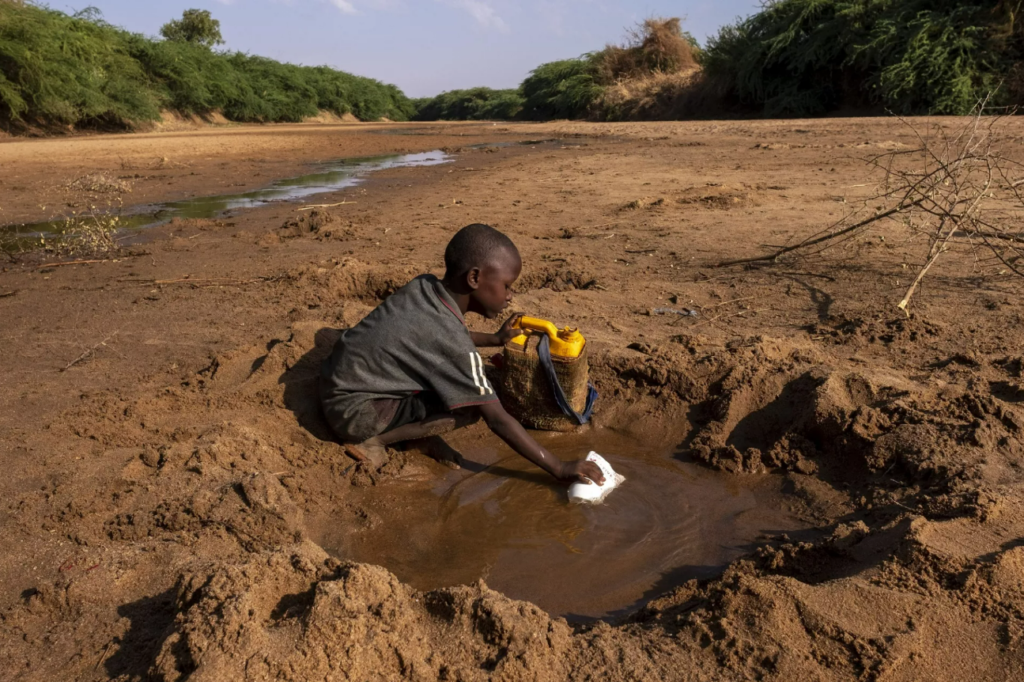
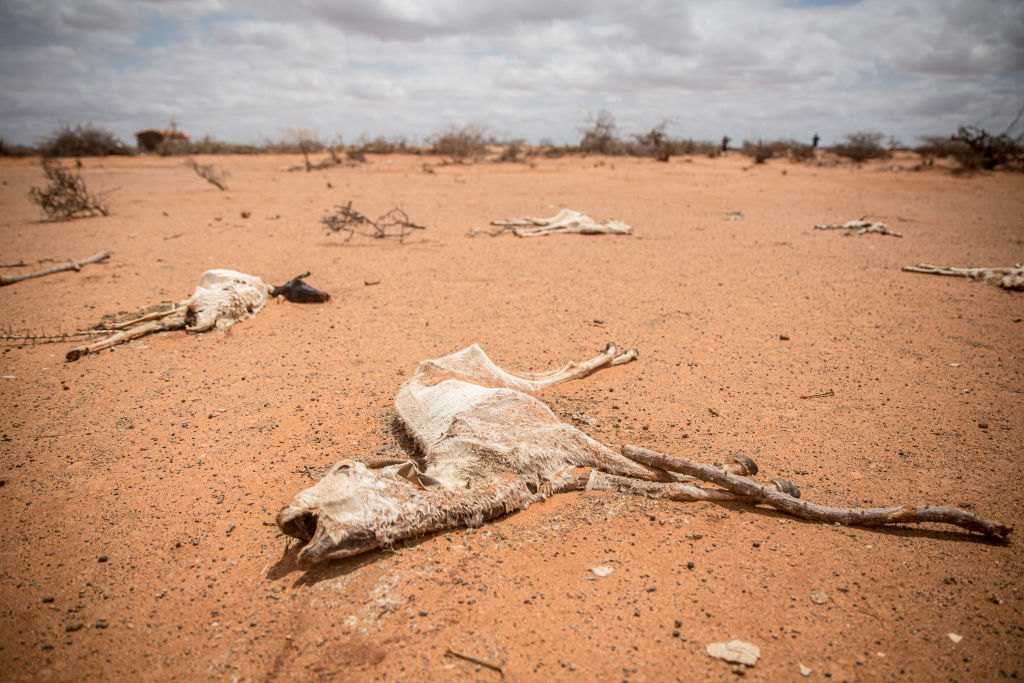
The current situation across the country shows how serious this gap has become. The Federal Government of Somalia declared a drought emergency in November 2025 after multiple failed rainy seasons. Since then, conditions have continued to worsen. More than 1.8 million children under the age of five are expected to suffer from acute malnutrition through mid-2026. Over 3.3 million people have been displaced from their homes. In some regions, up to 90 percent of small livestock have died. Sections of the Shabelle River have dried up, cutting off critical water supplies for farming communities.
Behind each statistic is a story of survival. Families are walking for days to find water. Mothers are making impossible choices about which child to feed first. Pastoralists who once depended on livestock for income and dignity now watch their animals perish one by one.
There are several reasons why this humanitarian gap has emerged so sharply.
First, funding has not matched the scale of need. As resources shrink, agencies are forced to close facilities. More than 200 health and nutrition centers have shut down due to lack of funds. Each closure removes hundreds of families from active support systems. When a nutrition center closes, a malnourished child loses access to life-saving treatment.
Second, access remains a major challenge. An estimated 15 to 20 percent of those in need live in areas where humanitarian access is limited or blocked by insecurity. Even when aid exists, it cannot always reach those communities safely.
Third, the number of people in need has doubled in just one year, rising from 3.4 million to 6.5 million. Yet global donor budgets have remained stagnant or declined. This means resources that once supported one group of families must now be stretched across twice as many. The result is dilution of aid more people receiving less support, and many receiving nothing at all.
Organizations continue to provide emergency water, nutrition services, and cash assistance. Their efforts are critical and life-saving. But they are currently reaching less than half of those in need. The rest remain in uncertainty, relying on informal support, migration, or coping strategies that often deepen vulnerability.
The humanitarian gap is not just a technical calculation. It is a moral warning. When nearly 4 million people are officially recognized as being in crisis but lack assistance, the system is stretched beyond its limits.
Somalia’s drought is driven by repeated climate shocks, including four consecutive failed rainy seasons linked to La Niña conditions and rising temperatures. It is worsened by economic pressures, rising water prices, crop failures, and conflict-related access challenges. But the most urgent driver today is the gap between need and response.
If funding does not increase quickly and access does not improve, the consequences will be severe. Malnutrition rates will climb. Displacement will increase. Preventable deaths may follow.
This is not simply a seasonal hardship. It is a national emergency that requires urgent solidarity from Somali communities, from regional partners, and from the international community.
While the world monitors the 6.5 million in need, we must not forget the 3.7 million trapped in the humanitarian gap. They are not a secondary category. They are families who deserve the same right to food, water, and dignity as anyone else.
The consequences of this drought are no longer abstract projections. Somali Humanitarian Magazine (SHM), through local contacts and community reports, has confirmed that 8 individuals have died due to severe water shortages in rural areas of the Mudug region. These deaths reportedly occurred after families traveled long distances in search of water under extreme heat conditions. In addition, there are emerging but unconfirmed reports of further deaths linked to dehydration and drought-related hardship in rural parts of Nugaal, Bari, Galgaduud, and Awdal regions. While verification efforts are ongoing, these reports reflect the growing severity of the crisis in remote communities where access to assistance remains limited.
These tragic incidents underline the urgency of immediate action. When water sources dry up and livestock perish, communities are left with no buffer. In rural and pastoral areas especially, the lack of safe water can quickly turn a drought into a life-threatening emergency. What begins as crop failure can rapidly escalate into dehydration, malnutrition, displacement, and loss of life.
Closing the humanitarian gap is not only about numbers. It is about ensuring that recognition of crisis is matched by real support. It is about preventing hunger from becoming catastrophe. And above all, it is about protecting lives before the situation becomes irreversible.
The world still has time to act but that time is narrowing.