
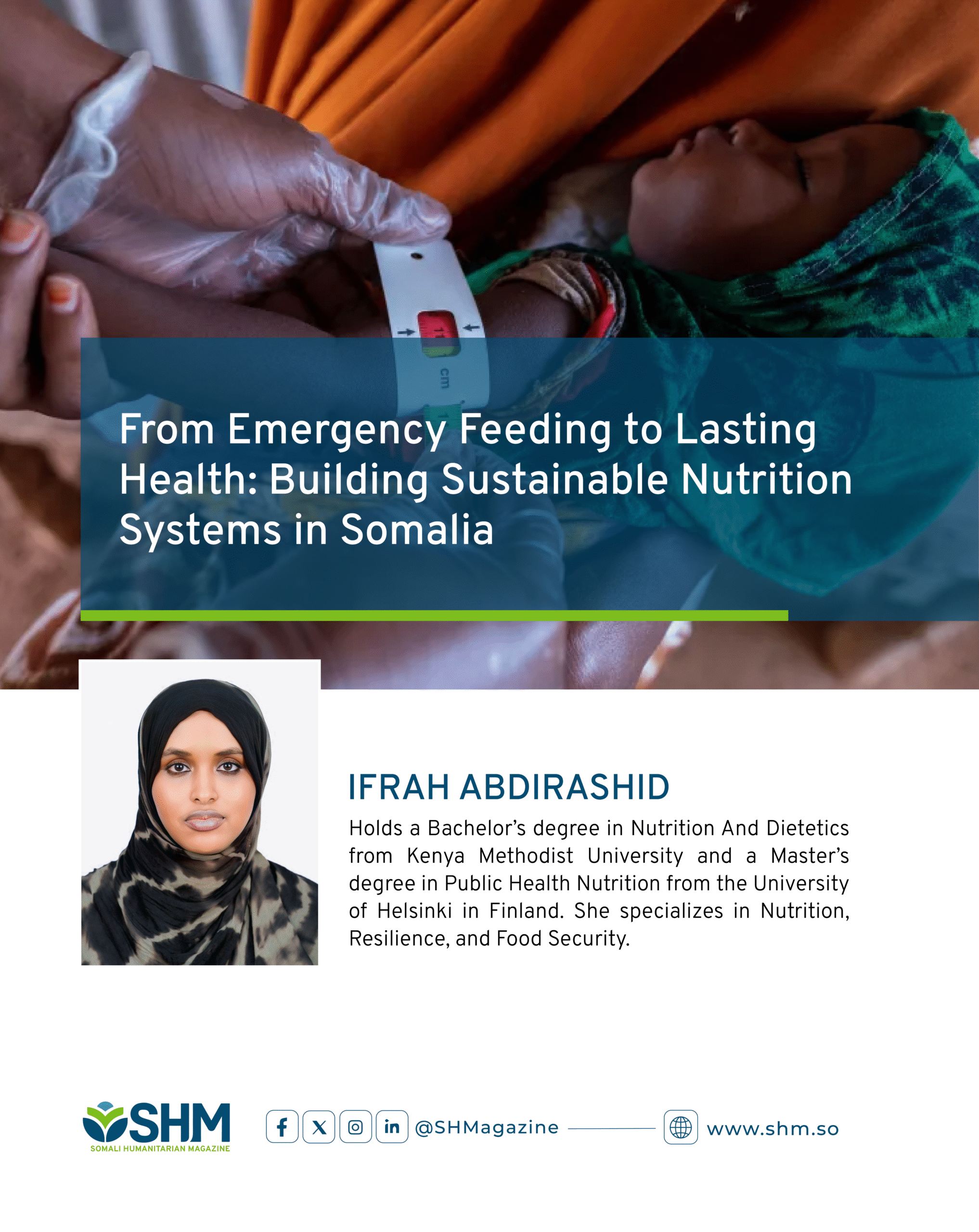
By Ifrah Abdirashid, B.Sc, M.PHN
The Current Reality of Somalia’s Nutrition Emergency and What the Numbers Show
Somalia is living through one of the most serious nutrition crises in the world. For decades, drought, conflict, displacement, high food prices, and poverty have created a situation where millions of families struggle to feed themselves. According to the 2025 Somalia IPC Analysis, about 4.4 to 4.6 million people are expected to face high levels of food insecurity in 2025. This means families cannot secure enough food without help.
Children are the most affected. According to the FSNAU and UNICEF 2025 assessment, around 1.7 to 1.8 million children under five are projected to suffer from acute malnutrition. Out of these, about 466,000 to 480,000 children are expected to become severely malnourished (SAM). A child with SAM is at immediate risk of death without quick treatment.
Different organizations sometimes share different estimates. For example, UNICEF’s late-2025 update shows the number of acutely malnourished children rising even higher up to 1.85 million due to worsening drought conditions. Meanwhile, the IPC and FSNAU data sometimes present slightly lower or higher figures because they collect data at different times and cover different zones. These differences can confuse the public, but they all point to the same truth: Somalia is facing a massive and growing nutrition emergency.
Malnutrition is not only about hunger. It affects immunity, brain development, school attendance, and long-term health. A child who suffers from repeated malnutrition in the first two years of life may never reach full physical or mental potential. According to UNICEF, stunting in Somalia still affects around 26% of children, meaning over one in every four children grows up too short for their age due to chronic malnutrition.
These numbers show that Somalia needs more than short-term feeding. It needs a system that protects children before they become sick.
Why Emergency Feeding Is Not Enough: Understanding the Root Causes of Malnutrition
Emergency food assistance is lifesaving and necessary. But Somalia cannot depend on emergency feeding forever. According to the World Food Programme (WFP) 2025 Hunger Outlook, funding shortages forced the agency to plan cuts that could affect 700,000 to 1 million people. When funding drops, food distributions shrink, and therapeutic feeding centres run out of supplies like RUTF (Ready-to-Use Therapeutic Food). When this happens, the number of severely malnourished children increases rapidly.
The root causes of malnutrition in Somalia run much deeper than lack of food.
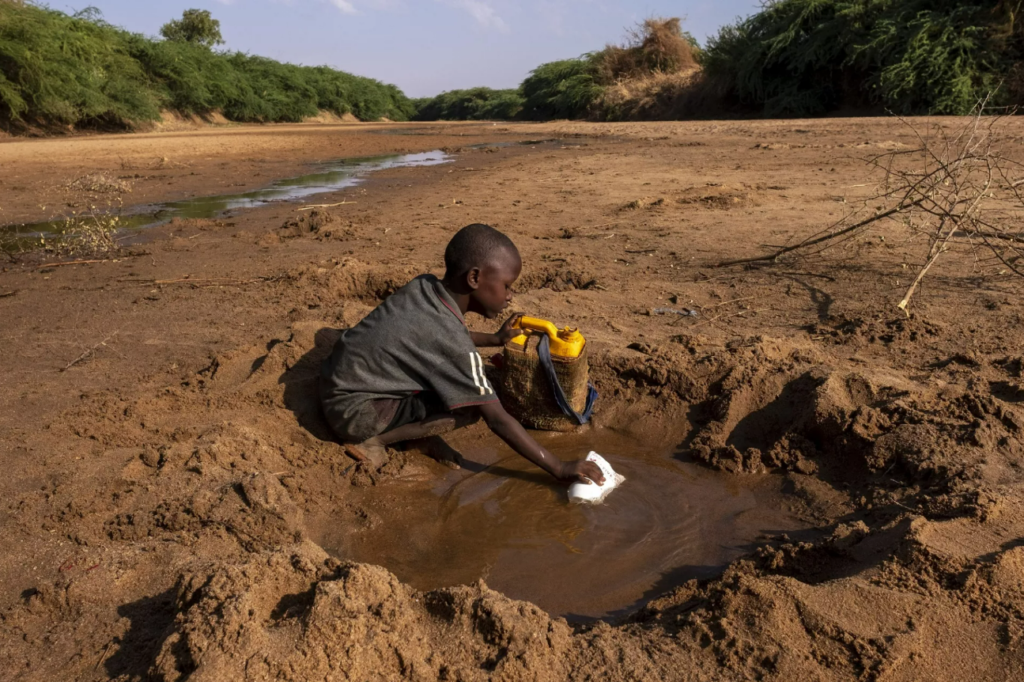
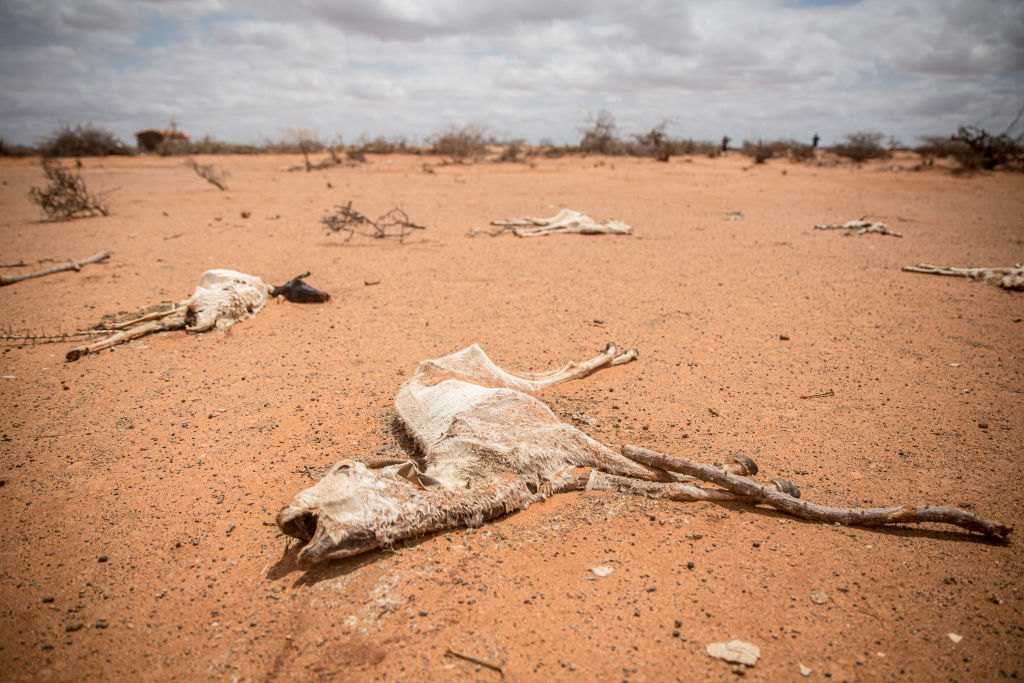
Climate shocks are a major driver. Droughts destroy crops, kill livestock, and force families to migrate. The FAO 2024–2025 climate update says Somalia has experienced five consecutive below-average rainy seasons, one of the worst sequences on record.
Conflict and insecurity also disrupt markets and make it hard for families to work or access health services. According to UN OCHA Somalia, more than 3.8 million people are displaced across the country, many living in camps without enough food, clean water, or healthcare.
Poor water and sanitation conditions are another key cause of malnutrition. The Ministry of Health and WHO joint report (2023-2024) highlights that diarrhoea is one of the top killers of Somali children, and repeated diarrhoea makes it harder for children to absorb nutrients.
Poverty forces many households to depend on cheap, low-quality foods that fill the stomach but do not provide the nutrients needed for children’s growth. Many mothers cannot afford diverse foods, vitamins, or iron-rich meals. As a result, maternal malnutrition remains common. According to UNICEF, more than 40% of pregnant women in Somalia are anaemic.
All these issues show that even if emergency feeding helps for a while, the deeper problems continue. Somalia needs long-term solutions, not temporary fixes.
The Gaps in Somalia’s Existing Nutrition System
Somalia’s current nutrition system is heavily dependent on emergency aid. While humanitarian agencies deliver essential services, the system has several gaps.
First, nutrition is not fully integrated into primary healthcare. According to the Somalia Health and Demographic Survey (SHDS) 2020, only about 30–35% of health facilities regularly offer nutrition screening or counselling. This means many children are never checked until they become severely sick.
Second, community-level screening is weak. In many rural areas, families wait until a child is visibly wasted before seeking help. Without trained community health workers in every village, early cases go unnoticed.
Third, the supply chain for nutrition commodities is unreliable. Therapeutic foods, micronutrient powders, and fortified foods sometimes arrive late due to funding gaps or import delays. The UNICEF Supply Division has reported repeated shortages of RUTF in Somalia in 2022–2025 due to global supply issues and high costs.
Fourth, data collection is inconsistent. Different agencies may collect data at different times, in different regions, using different tools. This results in reports that sometimes appear to “conflict” with each other. But the real issue is not conflict it is the lack of a single, strong national nutrition monitoring system that tracks malnutrition in real time.
Finally, funding is unpredictable. Somalia’s nutrition sector is mostly financed through short-term humanitarian grants. When donors shift priorities or reduce funding, services collapse. This makes it difficult to build strong institutions, train long-term staff, or expand permanent services.
Pathways to a Sustainable, Modern Nutrition System for Somalia
To protect children and mothers, Somalia must build a long-term nutrition system that works even when emergencies fade. This requires strong foundations.
Integrating nutrition into primary healthcare is essential. Every clinic, hospital, and health post should provide growth monitoring, nutrition counselling, treatment for wasting, maternal nutrition services, and infant feeding support. When nutrition becomes part of the normal health system, it becomes accessible to everyone not only those in emergencies.
Community health workers must be trained and supported. Countries like Ethiopia and Rwanda have reduced malnutrition by using large networks of community health workers who visit homes, teach families about breastfeeding and child feeding, check weight regularly, and refer sick children early. Somalia can follow the same path by investing in local workers.
Clean water and sanitation services must be improved. According to UNICEF WASH 2024, only 52% of Somalis have access to basic drinking water. Without clean water, diarrhoea will continue to undermine nutrition, no matter how much food is distributed.
A strong supply chain is needed. Somalia should explore producing RUTF locally, as countries like Kenya and Ethiopia have done. Local production reduces delays, lowers costs, and supports the national economy.
Nutrition data systems must be modern and coordinated. Regular surveys, digital reporting from health centres, and national dashboards can help identify rising malnutrition early. If early-warning systems alert leaders fast, they can respond before a situation becomes severe.
Government leadership is also important. A sustainable nutrition system cannot rely only on NGOs. Somalia needs national policies that support maternal nutrition, breastfeeding, fortification of foods, school feeding programs, and social protection systems like cash transfers.
Investing in Mothers and Children: A Vision for Somalia’s Long-Term Nutrition Future
At the centre of a strong nutrition system are mothers and children. The first 1,000 days from pregnancy to a child’s second birthday are the most important for brain growth and physical development. If Somalia invests in this period, the country will benefit for generations.
A mother who receives good nutrition during pregnancy is more likely to give birth to a healthy baby. A baby who is exclusively breastfed for six months has stronger immunity. A toddler who receives balanced complementary foods grows, learns, and performs better in school.
If Somalia builds a nutrition system that protects these early years, the country will have healthier future leaders, stronger workers, and a more resilient population.
Somalia has the knowledge, the professionals, and the community strength to achieve this. What is needed now is long-term investment and strong political commitment. Emergency feeding should remain a safety net, but not the core of Somalia’s nutrition approach.
The future of Somalia depends on its children. To secure that future, Somalia must move from emergency feeding to lasting health by building a modern, sustainable nutrition system that serves every family, every day.