By: Abdullahi Mohamed Haji
In recent years, Somalia has faced a complex web of humanitarian challenges, including recurrent droughts, displacement, health crises, and food insecurity. As aid agencies strive to meet growing needs with limited resources, technology has emerged as a critical enabler reshaping how humanitarian assistance is delivered, tracked, and measured across the country.
A Shift from Manual to Digital: Why It Matters?
Traditionally, many humanitarian organizations in Somalia have relied on manual processes, paper-based systems, and disconnected field operations. While these methods were once sufficient, the increasing scale and complexity of crises demand a faster, smarter, and more accountable response. This is where technology steps in not as a replacement for human compassion, but as a tool to strengthen it.
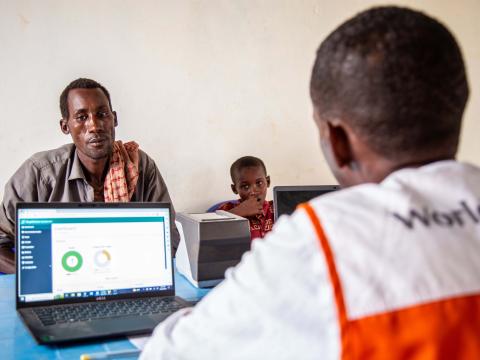
Whether it’s digital registration of displaced families, mobile-based cash transfers, or satellite mapping of drought-affected areas, the use of advanced technologies is no longer a luxury, it’s a necessity.
Improving Targeting and Transparency
One of the biggest challenges in aid delivery is ensuring that assistance reaches the right people, at the right time, without leakage or duplication. Technologies like biometric verification, blockchain-based distribution tracking, and mobile beneficiary databases are transforming how NGOs verify needs, monitor deliveries, and reduce fraud.
For example, some organizations in Somalia have piloted fingerprint-based ID systems in camps for internally displaced persons (IDPs), enabling more accurate data and reducing “ghost beneficiaries” a problem that has historically strained trust between communities and aid providers.
Reaching Remote Communities Through Mobile Technology
In a country where road infrastructure and physical access remain difficult in many areas, mobile technology is bridging the gap. With mobile penetration on the rise in Somalia, aid agencies can now conduct needs assessments, send alerts, and even disburse emergency funds via mobile money platforms such as EVC Plus, Edahab and etc.
This isn’t just about speed. It’s about restoring dignity allowing families to choose what they need most, instead of waiting in line for standardized aid packages.
Real-Time Data for Smarter Decisions
Technology enables organizations to respond based on real-time data, rather than outdated reports. Drones, satellite imagery, and digital dashboards are helping humanitarian actors monitor changing conditions—like flood zones, drought spread, or population movement with more precision.
This information empowers both NGOs and government bodies to plan better, prioritize better, and ultimately save more lives.
Challenges NGOs Must Overcome
Despite the potential, the road to full digital transformation isn’t without obstacles. Many Somali NGOs still face barriers such as:
- Lack of skilled IT staff
- Weak internet infrastructure in rural areas
- Limited budgets for tech investment
- Concerns over data privacy and security
That said, the first step is recognizing that technology should be embedded in humanitarian strategy, not treated as a side project. This requires leadership commitment, donor support, and local innovation.